White Sky Travel Plan Your Trips
Every unforgettable journey starts with a well-planned itinerary. Whether you’re dreaming of relaxing on a tropical beach, exploring vibrant cities, or embarking on a cultural adventure, careful trip planning can save you time, reduce stress, and help you make the most of every moment. At White Sky Travel, we make travel planning simple by providing expert guidance, customized travel packages, flight bookings, hotel reservations, transportation services, and visa assistance. This complete travel planning guide will help you organize your trip step by step, avoid common mistakes, and create unforgettable memories wherever your destination may be.
Introduction to White Sky Travel Plan Your Trip
- Why proper trip planning matters
- Common travel planning mistakes to avoid
- How White Sky helps travelers enjoy stress-free vacations
1. Define Your Travel Goals
- Business travel vs. leisure travel
- Solo, family, couple, or group trips
- Determining your travel style
2. Choose the Perfect Destination with White Sky Travel Plan Your Trip
- Factors to consider when selecting a destination
- Best destinations based on budget
- Seasonal travel considerations
- Popular destinations offered by White Sky
3. Set a Realistic Travel Budget
- Estimating transportation costs
- Accommodation budgeting
- Food and activity expenses
- Emergency travel funds
- How package holidays can save money
4. Select the Best Time to Travel
- Peak season vs. off-season travel
- Weather considerations
- Holiday and festival planning
- Finding the best travel deals
5. Book Flights Like a Pro
with White Sky Travel Plan Your Trip
- When to book flights
- Tips for finding affordable airfare
- Direct vs. connecting flights
- Benefits of booking through a travel agency
6. Find the Right Accommodation
with White Sky Travel Plan Your Trip
- Hotels vs. resorts vs. vacation rentals
- Choosing accommodation by travel purpose
- Location and convenience factors
- Hotel booking tips
7. Understand Visa and Travel Requirements
with White Sky Travel
- Passport validity requirements
- Visa application process
- Travel documents checklist
- Travel insurance essentials
8. Plan Your Travel Itinerary
- Creating a day-by-day itinerary
- Must-see attractions and experiences
- Balancing sightseeing and relaxation
- Booking tours and excursions
9. Arrange Local Transportation
- Airport transfers
- Public transportation options
- Car rentals
- Transportation tips for international travelers
10. Create the Ultimate Packing Checklist
- Travel essentials
- Destination-specific packing tips
- Family travel packing advice
- Carry-on luggage recommendations
11. Stay Safe While Traveling
- Travel safety tips
- Health precautions
- Emergency contacts and travel apps
- Travel insurance benefits
12. Make the Most of Your Vacation
- Cultural etiquette tips
- Money-saving travel hacks
- How to avoid tourist traps
- Capturing memorable travel experiences
Why Book Your Trip with White Sky Travel Plan Your Trip?
- Customized travel packages
- Flight and hotel booking services
- Visa assistance
- Guided tours and excursions
- Dedicated travel support
Frequently Asked Questions
- How far in advance should I plan a trip?
- What documents do I need for international travel?
- How much should I budget for a vacation?
- Is travel insurance necessary?
- Should I use a travel agency or book independently?
Start Planning Your Dream Vacation with White Sky
- Contact White Sky travel experts
- Explore holiday packages
- Discover top destinations
- Request a personalized travel quote
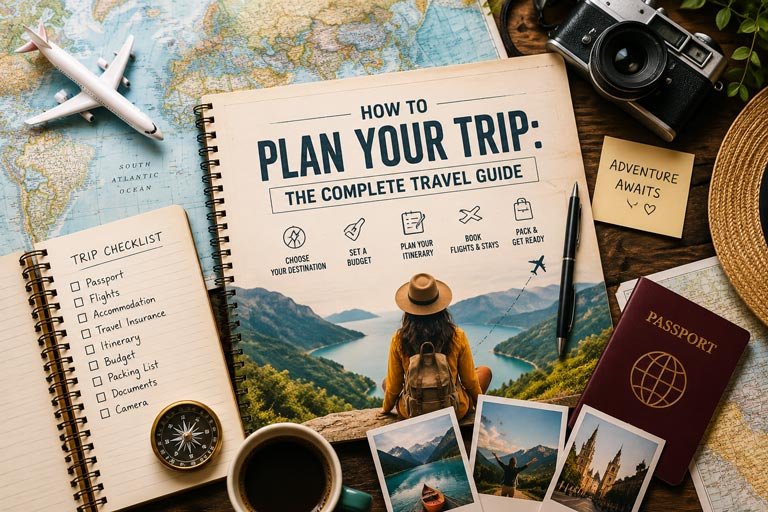
How to Plan Your Trip: The Complete Travel Guide by White Sky Travel Plan Your Trip
Introduction White Sky Travel Guide
Planning a trip is one of the most exciting parts of any travel experience. Whether you’re preparing for a relaxing beach holiday, a family vacation, a romantic getaway, or an international adventure, proper trip planning can make the difference between a seamless journey and a stressful experience.
With so many decisions to make from choosing the right destination and booking flights to securing accommodations and organizing activities, travel planning can quickly become overwhelming. That’s why having a clear strategy before you travel is essential.
Why Proper Trip Planning Matters
A well-planned trip helps you maximize your time, stay within budget, and avoid unexpected challenges. Taking the time to organize your travel arrangements in advance can help you:
- Find better flight and hotel deals
- Create a realistic travel budget
- Avoid last-minute booking stress
- Ensure all travel documents are ready
- Build an itinerary that balances sightseeing and relaxation
- Enjoy a smoother and more enjoyable travel experience
Whether you’re traveling domestically or internationally, careful planning allows you to focus on making memories instead of solving problems along the way.
Common Travel Planning Mistakes to Avoid
Many travelers encounter avoidable issues simply because they overlook important details during the planning process. Some of the most common travel planning mistakes include:
- Waiting too long to book flights and accommodations
- Underestimating travel expenses
- Failing to check visa and passport requirements
- Overpacking or forgetting essential items
- Creating an overly busy itinerary
- Ignoring travel insurance options
- Not researching local transportation and customs
Avoiding these mistakes can save you time, money, and unnecessary stress while helping you make the most of your vacation.
How White Sky Helps Travelers Enjoy Stress-Free Vacations
At White Sky, we believe that travel should be exciting from the moment you start planning until you return home. Our experienced travel specialists help travelers simplify every stage of the journey, from destination selection and flight bookings to hotel reservations, visa assistance, tours, and customized holiday packages.
Whether you’re looking for a luxury escape, a family holiday, a honeymoon, a business trip, or a group tour, White Sky provides personalized travel solutions designed around your needs and preferences.
In this complete travel guide, we’ll walk you through the essential steps of planning a successful trip, helping you travel smarter, save time, and enjoy a memorable vacation with confidence.
How to Plan Your Trip: The Complete Travel Guide by White Sky
1. Define Your Travel Goals
Before you start searching for flights, comparing hotels, or building an itinerary, it’s important to define the purpose of your trip. Understanding your travel goals will help you choose the right destination, set a realistic budget, and create an experience that matches your expectations.
Whether you’re traveling for business, relaxation, adventure, or a special occasion, having clear objectives ensures that every part of your journey is planned with purpose.
Business Travel vs. Leisure Travel
The first step in planning your trip is identifying why you’re traveling.
Business Travel
Business trips typically focus on meetings, conferences, networking events, exhibitions, or corporate activities. Travelers often prioritize convenience, efficient transportation, reliable accommodations, and proximity to business venues.
When planning a business trip, consider:
- Hotel location and business facilities
- Airport accessibility
- Meeting schedules and transportation
- Flexible booking options
- Travel policies and expense management
- Last minute booking and whitesky travel agency is an expert in last minute booking.
Leisure Travel
Leisure travel is all about relaxation, exploration, and creating memorable experiences. Whether you’re looking for a beach escape, cultural adventure, city break, or luxury holiday, your priorities will likely include attractions, activities, comfort, and entertainment.
When planning a leisure trip, consider:
- Weather and seasonality
- Local attractions and experiences
- Accommodation style
- Travel budget
- Desired pace of travel
Solo, Family, Couple, or Group Trips
The people you’re traveling with can significantly influence your destination, itinerary, and travel arrangements.
Solo Travel
Solo travel offers flexibility, independence, and personal discovery. Many travelers choose solo trips to explore new cultures, pursue personal interests, or simply enjoy complete freedom in their itinerary.
Popular considerations for solo travelers include:
- Safety
- Ease of transportation
- Budget-friendly accommodations
- Social activities and guided tours
Family Travel
Family vacations require careful planning to accommodate different ages, interests, and needs.
Important factors include:
- Family-friendly accommodations
- Child-friendly attractions
- Convenient transportation
- Flexible schedules
- Safety and comfort
Couple Travel
Whether it’s a honeymoon, anniversary, or romantic getaway, couples often seek destinations that offer memorable experiences and quality time together.
Popular options include:
- Beach resorts
- Luxury hotels
- Romantic city breaks
- Adventure experiences for two
Group Travel
Traveling with friends, colleagues, or organized groups can be both exciting and cost-effective.
Key considerations include:
- Group accommodations
- Transportation logistics
- Shared activities
- Group discounts and packages
- Coordinated itineraries
Determining Your Travel Style With White Sky Travel
Every traveler is different, and understanding your travel style can help you make better decisions throughout the planning process.
Ask yourself what type of experience you’re looking for:
Luxury Travel
Focused on premium accommodations, exclusive experiences, personalized service, and maximum comfort.
Adventure Travel
Ideal for travelers seeking outdoor activities, exploration, and exciting experiences such as hiking, diving, safaris, or mountain adventures.
Cultural Travel
Perfect for those who enjoy learning about history, local traditions, architecture, museums, and authentic cultural experiences.
Relaxation and Wellness Travel
Designed for travelers looking to unwind through beach vacations, spa retreats, wellness resorts, and peaceful destinations.
Budget Travel
Focused on maximizing experiences while keeping costs under control through smart planning and affordable travel options.
Pro Travel Tip
Before moving to the next stage of trip planning, write down your top three travel goals. Knowing whether your priority is relaxation, adventure, cultural exploration, family bonding, business productivity, or luxury experiences will make every other planning decision easier and more effective.
At White Sky, our travel experts help match your goals, travel style, and budget with the perfect destination and customized travel package, ensuring a vacation that meets your expectations from start to finish.
How to Plan Your Trip: The Complete Travel Guide by White Sky
2. Choose the Perfect Destination whitesky travel
Choosing the right destination is one of the most important decisions you’ll make when planning a trip. The perfect destination isn’t necessarily the most popular one—it’s the one that aligns with your travel goals, budget, interests, and preferred travel style.
Whether you’re dreaming of a tropical beach escape, a cultural city break, a family holiday, or an adventurous journey, selecting the right destination sets the foundation for a memorable travel experience.
Factors to Consider When Selecting a Destination
Before booking your trip, take time to evaluate the key factors that can influence your overall experience.
Your Travel Goals with White Sky Travel
Start by considering the purpose of your trip. Are you looking to relax, explore a new culture, celebrate a special occasion, attend a business event, or enjoy outdoor adventures?
Different destinations cater to different travel objectives. For example:
- Beach lovers may prefer tropical destinations and coastal resorts.
- Adventure seekers may enjoy mountains, safaris, or nature-based experiences.
- Culture enthusiasts may be drawn to historic cities and heritage sites.
- Families often benefit from destinations with family-friendly attractions and accommodations.
Budget
Your travel budget plays a significant role in destination selection. Consider the total cost of:
- Flights
- Accommodation
- Transportation
- Food and dining
- Activities and excursions
- Visa requirements
- Travel insurance
Sometimes a destination with a slightly higher flight cost may offer lower daily expenses, making it more affordable overall.
Travel Duration
The length of your trip can also influence your destination choice.
- Weekend getaways are best suited to nearby destinations.
- One-week vacations allow for regional exploration.
- Longer trips provide opportunities for multi-city or international travel experiences.
Visa and Entry Requirements
Always check passport validity, visa requirements, and entry regulations before making final travel decisions. Some destinations offer visa-free or visa-on-arrival access, while others require advance applications and documentation.
Safety and Accessibility
Research the destination’s safety, healthcare facilities, transportation infrastructure, and accessibility to ensure a comfortable and worry-free journey.
Best Destinations Based on Budget
One of the most common questions travelers ask is: “Where can I get the best value for my budget?”
Budget-Friendly Destinations
Travelers looking to maximize their budget often choose destinations that offer affordable accommodations, dining, and attractions.
Popular budget-friendly options may include:
- Egypt
- Turkey
- Georgia
- Azerbaijan
- Thailand
- Vietnam
- Indonesia
These destinations provide excellent experiences while keeping travel costs manageable.
Mid-Range Destinations
For travelers seeking a balance between affordability and comfort, popular choices include:
- Greece
- Spain
- Italy
- Malaysia
- South Africa
These destinations offer diverse attractions, quality accommodations, and memorable experiences at reasonable costs.
Luxury Destinations
For those seeking premium experiences, luxury accommodations, and exclusive activities, consider:
- Maldives
- Switzerland
- France
- United Arab Emirates
- Seychelles
Luxury destinations often provide world-class hospitality, exceptional dining, and unforgettable experiences.
Seasonal Travel Considerations
The time of year you travel can significantly impact costs, weather conditions, crowd levels, and overall enjoyment.
Peak Season Travel
Peak seasons often coincide with school holidays, festivals, and ideal weather conditions.
Advantages:
- Best weather
- Full range of attractions and activities
- Vibrant atmosphere
Considerations:
- Higher prices
- Larger crowds
- Limited availability
Shoulder Season Travel
Shoulder seasons occur between peak and off-peak periods and are often considered one of the best times to travel.
Benefits include:
- Lower prices
- Fewer crowds
- Pleasant weather
- Better availability
Off-Season Travel
Traveling during the off-season can offer significant savings and a more authentic local experience.
Benefits:
- Lower hotel and flight prices
- Less crowded attractions
- Greater flexibility
However, some attractions or activities may have limited operating hours.
Popular Destinations Offered by White Sky
At White Sky, we help travelers discover destinations that match their interests, travel style, and budget. Whether you’re looking for a relaxing holiday, an exciting adventure, or a luxury escape, our travel specialists can help create the perfect itinerary.
Some of our most popular destinations include:
- Turkey for culture, shopping, and family vacations
- Dubai for luxury, entertainment, and business travel
- Maldives for romantic getaways and honeymoons
- Thailand for beaches, adventure, and affordability
- Greece for island escapes and cultural experiences
- Switzerland for breathtaking scenery and luxury travel
- Italy for history, cuisine, and iconic landmarks
- Egypt for ancient wonders and unique cultural experiences
Pro Travel Tip
Instead of choosing a destination based solely on popularity, focus on finding a destination that aligns with your goals, budget, preferred travel season, and travel style. The best trips are not necessarily the most expensive—they’re the ones that deliver the experiences you’re looking for.
If you’re unsure where to go, White Sky’s travel experts can recommend destinations, build customized itineraries, and help you find the best travel packages based on your budget and preferences.
How to Plan Your Trip: The Complete Travel Guide by White Sky Travel
3. Select the Best Time to Travel With White Sky Travel
Choosing when to travel can be just as important as choosing where to travel. The time of year you visit a destination can significantly affect your overall experience, including weather conditions, crowd levels, availability, and travel costs.
By understanding seasonal trends and planning accordingly, you can maximize your budget, avoid unnecessary stress, and enjoy your destination at its best.
Peak Season vs. Off-Season Travel
Every destination has periods of high and low demand, commonly known as peak season and off-season.
Peak Season Travel
Peak season typically occurs when weather conditions are most favorable, schools are on holiday, or major events are taking place.
Benefits of traveling during peak season include:
- Ideal weather conditions
- Full access to attractions and activities
- Vibrant atmosphere and local events
- Extended operating hours for attractions
However, peak-season travel often comes with:
- Higher flight prices
- Increased hotel rates
- Larger crowds
- Limited availability
Popular destinations such as the Maldives, Switzerland, Dubai, and European cities often experience their highest demand during specific seasons.
Off-Season Travel
Off-season travel occurs when tourist demand is lower.
Advantages include:
- Lower airfare and hotel costs
- Fewer crowds
- Greater availability
- More relaxed travel experiences
While off-season travel can offer excellent value, travelers should be aware that some attractions, tours, or seasonal activities may operate on limited schedules.
Shoulder Season: The Best of Both Worlds
Many experienced travelers prefer shoulder seasons—the period between peak and off-season.
Benefits often include:
- Pleasant weather
- Moderate prices
- Fewer tourists
- Better hotel and flight availability
For many destinations, shoulder season provides the ideal balance between affordability and experience.
Weather Considerations
Weather can significantly impact your travel plans, making it essential to research climate conditions before booking.
When evaluating a destination, consider:
- Average temperatures
- Rainfall patterns
- Humidity levels
- Snow conditions
- Hurricane or monsoon seasons
For example:
- Beach destinations are often best enjoyed during dry seasons.
- Ski destinations require adequate snowfall.
- City breaks may be more comfortable during spring or autumn when temperatures are mild.
- Nature and wildlife experiences may depend on seasonal migration patterns.
Understanding local weather trends can help you avoid disruptions and ensure your trip aligns with the experiences you’re seeking.
Holiday and Festival Planning
Traveling during holidays and festivals can create unforgettable memories and provide unique cultural experiences.
Many travelers intentionally plan their trips around:
- National holidays
- Cultural celebrations
- Religious festivals
- Sporting events
- International exhibitions and conferences
- Seasonal festivals
Examples include:
- Christmas markets in Europe
- Dubai Shopping Festival
- Cherry blossom season in Japan
- Carnival celebrations in various destinations
- New Year’s festivities around the world
While festivals can enhance a trip, they often lead to increased demand for flights and accommodations. Booking early is highly recommended when traveling during major events.
Finding the Best Travel Deals
Timing can play a major role in how much you pay for your vacation.
To secure the best travel deals:
Book Early
Many airlines and hotels offer their most competitive rates several months before departure.
Early booking benefits include:
- Better prices
- More accommodation choices
- Preferred flight schedules
- Greater package availability
Consider Flexible Travel Dates
Adjusting your departure or return dates by a few days can sometimes result in significant savings.
Travel During Shoulder Seasons
Many destinations offer excellent value during shoulder seasons, allowing travelers to enjoy favorable weather at lower costs.
Take Advantage of Package Holidays
Bundling flights, hotels, airport transfers, and tours often provides better overall value than booking each component separately.
Why Timing Matters More Than You Think
The same destination can offer completely different experiences depending on when you visit. A destination that feels crowded and expensive during peak season may become far more affordable and relaxing just a few weeks earlier or later.
By carefully selecting your travel dates, you can enjoy better weather, lower prices, fewer crowds, and a more enjoyable overall experience.
Pro Travel Tip
Before choosing your travel dates, compare weather conditions, seasonal demand, local events, and package prices. Sometimes shifting your vacation by just a few weeks can dramatically improve both your experience and your budget.
At White Sky, our travel specialists help travelers identify the best times to visit their chosen destinations, secure exclusive travel deals, and find holiday packages that deliver the perfect balance of value, convenience, and unforgettable experiences.
How to Plan Your Trip: The Complete Travel Guide by White Sky Travel
4. Set a Realistic Travel Budget
A well-planned travel budget is the foundation of a successful trip. No matter your destination or travel style, understanding your expected expenses before you book can help you avoid financial stress and make smarter decisions throughout your journey.
Creating a realistic budget doesn’t mean limiting your travel experience—it means knowing where your money will go and finding the best value for every part of your trip.
The key is to estimate all major expenses, build in some flexibility, and explore cost-saving options such as package holidays and early booking deals.
Estimating Transportation Costs
Transportation is often one of the largest travel expenses, especially for international trips.
When calculating transportation costs, consider:
- International or domestic flights
- Airport transfers
- Train or bus tickets
- Rental cars
- Public transportation
- Ride-sharing services
- Fuel and parking fees (if applicable)
To secure the best rates, consider booking flights in advance, traveling during shoulder seasons, and comparing multiple travel options before making a reservation.
Remember that the cheapest flight is not always the best value. Factors such as baggage allowances, layovers, airport locations, and travel times should also be considered.
Accommodation Budgeting
Accommodation can represent a significant portion of your travel budget, so it’s important to choose options that align with both your needs and financial plans.
Accommodation choices may include:
- Hotels
- Resorts
- Vacation rentals
- Apartments
- Villas
- Hostels
- All-inclusive properties
When comparing accommodation options, look beyond the nightly rate and consider:
- Location
- Included meals
- Transportation accessibility
- Wi-Fi availability
- Family-friendly amenities
- Resort fees or additional charges
Sometimes paying slightly more for a centrally located hotel can reduce transportation costs and save valuable time during your trip.
Food and Activity Expenses
Many travelers underestimate how quickly food and entertainment expenses can add up during a vacation.
When budgeting for food, consider:
- Daily meals
- Snacks and beverages
- Specialty dining experiences
- Local restaurants
- Hotel dining options
Activity expenses may include:
- Guided tours
- Museum tickets
- Theme parks
- Adventure activities
- Cultural experiences
- Excursions and day trips
Researching typical costs in your destination before traveling can help you create a more accurate daily spending estimate.
A helpful approach is to establish a daily budget that covers meals, transportation, attractions, and miscellaneous expenses.
Emergency Travel Funds
Even the most carefully planned trips can encounter unexpected expenses. That’s why setting aside an emergency fund is an essential part of travel budgeting.
Unexpected costs may include:
- Medical emergencies
- Flight changes
- Lost or delayed luggage
- Additional transportation expenses
- Weather-related disruptions
- Currency fluctuations
A good rule of thumb is to reserve approximately 10–20% of your total travel budget for unforeseen situations.
Having an emergency fund provides peace of mind and allows you to handle unexpected challenges without disrupting your vacation.
How Package Holidays Can Save Money
One of the most effective ways to maximize your travel budget is by booking a package holiday.
Travel packages often combine multiple services into one convenient booking, such as:
- Flights
- Hotels
- Airport transfers
- Tours and excursions
- Travel insurance options
- Visa assistance in some cases
Because travel providers negotiate rates with airlines, hotels, and local partners, package holidays can often deliver better overall value than booking each component separately.
Additional benefits include:
- Simplified planning
- Predictable costs
- Exclusive deals and promotions
- Time savings
- Professional travel support
For families, couples, honeymooners, and group travelers, package holidays can offer significant savings while reducing the complexity of trip planning.
Pro Travel Tip
When building your travel budget, focus on the total trip cost rather than individual expenses. A destination with a higher airfare may offer lower accommodation and dining costs, making it more affordable overall.
At White Sky, our travel experts help travelers find the right balance between budget and experience through customized itineraries, competitive flight and hotel rates, and value-packed holiday packages designed to maximize every travel investment.
How to Plan Your Trip: The Complete Travel Guide by White Sky Travel
- Book Flights Like a Pro
Securing the right flight is often the spark that transforms a planned vacation into a concrete reality. However, navigating airfares can feel like trying to solve a puzzle with moving pieces. Because flight costs consume a significant portion of any travel budget, mastering the art of booking can free up substantial funds for your actual destination experiences.
When to Book Flights
The timing of your ticket purchase is critical to securing competitive rates. Airfares fluctuate based on historical algorithms, seating capacity, and real-time demand.
- International Flights: The optimal booking window is typically 2 to 6 months prior to departure. Booking too early (before schedules lock in) or waiting until the final weeks can lead to premium pricing.
- Domestic Flights: Aim to book between 1 to 3 months in advance.
- The “Goldilocks” Window: For peak seasons (such as summer holidays or New Year’s Eve), extend these timelines by an additional 2 months to outrun the surge in demand.
Tips for Finding Affordable Airfare
To beat the dynamic pricing models used by modern airlines, incorporate these tactical maneuvers into your search workflow:
- Leverage Mid-Week Departures: Flights that depart on Tuesdays and Wednesdays are statistically cheaper than weekend flights, which cater to business travelers wrapping up work or weekend vacationers.
- Embrace Airport Flexibility: Look for flights arriving at secondary airports nearby. For example, flying into Dubai Al Maktoum (DWC) instead of Dubai International (DXB) can occasionally offer lower operational fees passed down to passengers.
- Clear Your Cookies: Use incognito or private browsing windows when searching for flights repeatedly to prevent airline tracking software from inflating prices based on your search history.
Direct vs. Connecting Flights
Choosing between a non-stop journey and a layover requires balancing the value of your time against your financial budget.
|
Flight Type |
Core Advantages |
Key Considerations |
Best Suited For |
|
Direct Flights |
Saves hours of travel time; minimizes risks of lost baggage or missed connections. |
Higher upfront ticket cost; limited schedule options for niche destinations. |
Family travel with children, short weekend getaways, and business trips. |
|
Connecting Flights |
Frequently offers lower base fares; allows a multi-city breakdown or stopover. |
Risk of delays causing missed flights; extended travel fatigue. |
Budget-conscious long-haul travelers, solo adventurers, and flexible itineraries. |
Benefits of Booking Through a Travel Agency
While self-service search engines are popular, booking your flights through an established travel agency like White Sky unlocks structural advantages that public platforms cannot replicate:
- Access to GDS Global Fares: Travel management companies tap directly into Global Distribution Systems (GDS) to access specialized consolidator fares that are hidden from public web searches.
- Coordinated Disruption Management: If a flight is canceled or delayed, you do not have to wait in multi-hour airport queues or stay on hold with an airline helpline. The White Sky team handles rebooking, routing adjustments, and baggage claims on your behalf.
- Seamless Bundling: Integrating your flights directly with your hotel and airport transfers guarantees that if your flight schedule shifts, your ground logistics automatically shift with it.
How to Plan Your Trip: The Complete Travel Guide by White Sky
- Find the Right Accommodation
Your accommodation is more than just a place to sleep at night; it serves as your sanctuary, your base of operations, and a core component of your travel memories. Choosing the wrong property can cast a shadow over an incredible destination, while the right stay can elevate an average trip into an extraordinary escape.
Hotels vs. Resorts vs. Vacation Rentals
Modern hospitality offers distinct environments tailored to different types of travelers. Selecting the correct format depends entirely on your daily needs.
- Hotels: Ranging from boutique properties to trusted international chains, hotels provide structured reliability, daily housekeeping, on-site dining, and centralized locations. They are perfect for city breaks and short stays where accessibility is key.
- Resorts: Designed as self-contained destinations, resorts feature expansive properties with integrated amenities, including multiple swimming pools, private beaches, spa facilities, kids’ clubs, and organized evening entertainment. Ideal for all-inclusive, stress-free relaxation.
- Vacation Rentals (Villas & Apartments): These spaces offer a residential experience with full kitchens, laundry facilities, and separate living areas. They provide privacy, space to spread out, and the chance to experience a neighborhood like a local.
Choosing Accommodation by Travel Purpose
Match your lodging style to the rhythm of your specific itinerary:
- For Corporate Expeditions: Prioritize executive hotels that offer high-speed Wi-Fi, ergonomic workspaces, express laundry services, in-house meeting rooms, and proximity to financial districts or convention centers.
- For Romantic Getaways: Look for privacy-centric boutique hotels or adults-only resorts that focus on high-end service, private plunge pools, and intimate dining options.
- For Multi-Generational Family Trips: Prioritize multi-bedroom villas or interconnected resort suites that offer full kitchen facilities and dedicated recreational spaces for children.
Location and Convenience Factors
A cheap room rate can quickly lose its appeal if you spend hours and significant money on local transportation just to reach the main sights.
- The Safety Perimeter: Research neighborhoods to ensure you book within well-lit, secure areas with an active street life.
- Transit Hub Proximity: Aim to stay within walking distance (ideally under 10 minutes) of a major metro station, train stop, or centralized bus hub.
- Walkability Index: If you love exploring on foot, look for properties located in downtown corridors or historic quarters where cafes, restaurants, and cultural landmarks are accessible right outside the front door.
Hotel Booking Tips
To secure premium rooms at optimal price points, follow these guidelines:
- Look for Value Inclusions: Always check if your room rate includes daily breakfast, complimentary airport shuttles, high-speed Wi-Fi, or waived resort fees. These perks can save you significant daily out-of-pocket costs.
- Verify Review Recency: Look past the curated marketing photos and read independent traveler reviews from the last 3 to 6 months to get an accurate view of cleanliness, service standards, and any nearby construction.
- Utilize White Sky’s Preferred Partnerships: White Sky works directly with top-tier hotel groups worldwide, allowing us to offer our clients exclusive perks such as complimentary room upgrades, early check-in, late check-out, and resort dining credits.
- Understand Visa and Travel Requirements
Navigating international entry requirements is the most critical compliance step of your trip planning process. Failing to secure proper documentation can result in being denied boarding at the airport, turning your dream vacation into an immediate cancellation.
Passport Validity Requirements
Many travelers mistakenly believe that a passport is valid until the exact expiration date printed on the data page. However, international border control laws are much stricter:
The Six-Month Rule: Most countries require your passport to be valid for at least 6 months beyond your planned return date. If your passport expires in 4 or 5 months, airlines are legally required to deny you boarding.
Additionally, ensure your passport has at least two blank visa pages facing each other. Frequent flyers can run out of space for entry and exit stamps, which can lead to unexpected issues at border crossings.
Visa Application Process
Visa protocols vary wildly depending on your nationality and your destination. They generally fall into three operational categories:
- Visa-Free / Visa on Arrival (VoA): The simplest entry method. You either walk straight to border control or pay a set fee at a dedicated desk upon landing to receive your entry stamp.
- Electronic Visa (eVisa): A digital system where you upload your passport data, photos, and travel itineraries to an official government portal prior to departure. Once approved, you print out a digital confirmation sheet to present at check-in.
- Traditional Embassy Sticker Visa: The most complex process. This requires submitting physical documents, financial statements, employment letters, and sometimes attending an in-person interview or biometric collection appointment at a consulate.
Travel Documents Checklist
To avoid last-minute panic at the airport terminal, compile a physical and digital travel wallet containing these essential items:
- [ ] Physical Passport (with 6+ months validity).
- [ ] Printed Visas or eVisa Confirmations.
- [ ] Confirmed Round-Trip Flight Itinerary (many immigration officers require proof of onward travel).
- [ ] Hotel Booking Vouchers with complete property addresses and contact numbers.
- [ ] Official Vaccination Certificates (if required by your destination’s health ministry).
- [ ] Digital Backups: Store encrypted copies of all these documents in a secure cloud folder accessible offline on your smartphone.
Travel Insurance Essentials
Travel insurance should never be viewed as an optional luxury—it is an absolute necessity for protecting your health and financial investment. A comprehensive travel insurance policy should provide robust coverage across three main pillars:
│ COMPREHENSIVE INSURANCE │
│
┌─────────────────────┼
▼ ▼ ▼
┌─────────────────┐ ┌─────────────────┐
│Medical Emergency│ │Trip Cancellation│ │ Baggage & Delay │
│• Hospitalization│ │• Pre-trip Illness│ │• Lost Luggage │
│• Evacuation │ │• Sudden Events │ │• Flight Delays │
└─────────────────┘ └─────────────────┘
- Emergency Medical Coverage: Medical care abroad for sudden illnesses or accidents can cost thousands of dollars out of pocket. Ensure your policy includes hospitalization and emergency medical evacuation.
- Trip Cancellation and Interruption: This reimburses non-refundable deposits if you must cancel your trip due to a sudden illness, family emergency, or natural disaster.
- Baggage and Delay Logistics: Provides cash stipends to purchase essential items if your luggage is lost or significantly delayed by an airline.
At White Sky, we provide complete visa assistance, guiding you through complex paperwork, checking your document validity, and pairing your itinerary with comprehensive travel insurance policies to give you total peace of mind.
- Plan Your Travel Itinerary
An itinerary is the roadmap for your trip. The goal of a great itinerary isn’t to script every single minute of your day; it’s to strike a balance between seeing everything on your list and leaving room for unexpected discoveries.
Creating a Day-by-Day Itinerary
When structuring your travel days, group activities by geographic proximity. Look at a map of your destination city and split it into distinct zones or neighborhoods. Focus on one specific quadrant each day. This simple step cuts down on unnecessary travel time, saves money on transportation, and prevents physical exhaustion.
Must-See Attractions and Experiences
Every world-class destination has iconic landmarks that deserve a spot on your list. However, try to balance these famous sights with curated, immersive experiences:
- Pre-Book Prime Sights: For high-traffic landmarks (such as the Eiffel Tower, Rome’s Colosseum, or Dubai’s Burj Khalifa), buy “skip-the-line” timed-entry tickets online weeks in advance to avoid spending hours waiting in ticket queues.
- Incorporate Local Flavors: Look for regional experiences that foster a deeper connection to the culture, such as a traditional cooking class in Thailand, a historical walking tour guided by a local scholar, or an early morning wildlife safari.
Balancing Sightseeing and Relaxation
The most common travel planning mistake is over-scheduling. Packing four major museum tours, two food markets, and an evening theater performance into a single 12-hour window leaves you exhausted rather than inspired.
The Rule of Two: Plan a maximum of two primary activities per day—one major excursion in the morning and one in the late afternoon. Leave your midday block open for a long lunch, a stroll through a local park, or a rest at your hotel. This pace keeps your energy high and leaves room for spontaneous adventures.
Booking Tours and Excursions
When selecting day tours, always work with verified, fully licensed tour operators. Look for small-group excursions (typically limited to 10–12 guests) rather than large commercial bus tours. Small groups allow for a more personalized experience, better access to your guide, and the flexibility to explore off-the-beaten-path locations.
- Arrange Local Transportation
Landing smoothly at your destination airport is only half the battle. To ensure a seamless trip, it’s vital to plan how you will navigate your new environment before you step off the plane.
Airport Transfers
The transition from the arrival terminal to your hotel room sets the tone for your entire trip. After a long flight, navigating an unfamiliar public transit system or haggling with unlicensed taxi drivers outside the terminal can be incredibly stressful.
- The Gold Standard: Pre-book a private airport transfer. Having a professional chauffeur waiting for you in the arrivals area with a personalized sign ensures you can head straight to your hotel in air-conditioned comfort.
- Official Airport Ranks: If you prefer to arrange a taxi on the spot, only use clearly marked vehicles at the official airport taxi ranks. Always ignore individuals offering private rides inside the terminal building.
Public Transportation Options
In many major international destinations—like London, Tokyo, Paris, or Singapore—public transit is faster, cheaper, and more efficient than sitting in city traffic.
- Rapid Transit Networks: Familiarize yourself with the local metro, subway, or light rail networks. They are usually color-coded and highly intuitive.
- Integrated Travel Cards: As soon as you arrive, purchase a reloadable smart card (such as London’s Oyster card or Tokyo’s Pasmo). These cards offer discounted fares compared to single tickets and work seamlessly across buses, trains, and trams.
Car Rentals
Renting a vehicle gives you incredible freedom, making it an excellent choice for countryside road trips, coastal drives, or exploring remote regions.
- International Driving Permits (IDP): Many countries do not accept foreign licenses on their own. Check if your destination requires an IDP, which must be secured in your home country before you travel.
- Insurance Verification: Opt for comprehensive collision damage waivers to protect yourself from unexpected repair costs.
- Local Driving Rules: Take a few minutes to research local driving habits, parking regulations, toll road systems, and whether traffic flows on the left or right side of the road.
Transportation Tips for International Travelers
To navigate your destination like a seasoned pro, download local ride-hailing apps (such as Uber, Grab, Careem, or Bolt, depending on the region) before you leave home. Set up your payment profiles in advance so you can request rides without needing local currency.
Additionally, download offline maps of your destination city on Google Maps. This allows you to track your transit routes and use GPS navigation even if you temporarily lose cellular service.
- Create the Ultimate Packing Checklist
Packing is a science of balance—bringing everything you need to feel comfortable and prepared without weighing yourself down with heavy, oversized luggage.
Travel Essentials
No matter where you are heading, these core items form the foundation of every packing list:
- The Tech Hub: A universal travel adapter with multiple built-in USB ports, high-quality charging cords, and a high-capacity power bank to keep your phone charged during long days of sightseeing.
- Financial Redundancy: Two separate credit/debit cards stored in different places, along with a small amount of local currency cash for small vendors or tips.
- Personal Health Kit: Prescription medications in their original bottles with clear labels, along with a small first-aid kit containing pain relievers, allergy medication, and motion sickness tablets.
Destination-Specific Packing Tips
Tailor your wardrobe to both the climate and the local culture of your destination:
- Tropical & Coastal Vacations: Bring lightweight, breathable fabrics like linen and cotton, polarized sunglasses, broad-spectrum reef-safe sunscreen, and high-quality swimwear.
- Alpine & Winter Getaways: Follow a three-layer clothing system—a moisture-wicking base layer, an insulating fleece mid-layer, and a wind-and-waterproof outer jacket.
- Culturally Conservative Regions: Pack versatile clothing that covers your shoulders and knees (such as midi dresses, maxi skirts, or lightweight trousers) to show respect when visiting religious sites or historic quarters.
Family Travel Packing Advice
When traveling with young children, preparation is key to keeping everyone comfortable and happy:
- The Entertainment Kit: Pack a dedicated carry-on bag filled with new books, quiet toys, headphones, and pre-downloaded movies to keep kids occupied during flights and long transits.
- Nutritional Backups: Bring a selection of familiar, non-perishable snacks to handle sudden hunger pangs when local restaurants are closed.
- Emergency Clothing Changes: Keep a full change of clothes for both your children and yourself in your carry-on luggage to handle unexpected spills or accidents.
Carry-On Luggage Recommendations
Even if you plan to check your main bags, think of your carry-on luggage as a survival kit designed to keep you comfortable if your checked luggage is delayed or misplaced:
│ MUST-HAVE CARRY-ON ITEMS
│ 1. Valuables & Docs : Passports, Wallets, Visas, Jewelry
│ 2. Core Electronics : Laptops, Cameras, Chargers, Power
│ 3. 24-Hour Wardrobe : One change of clothes, undergarments
│ 4. Hygiene Essentials : Toothbrush, travel-size toiletries
- Stay Safe While Traveling
Safety is the absolute foundation of a great travel experience. Staying safe doesn’t mean letting fear get in the way of your sense of adventure; it means taking smart, proactive steps to protect yourself, your companions, and your belongings.
Travel Safety Tips
- Maintain Situational Awareness: When exploring busy markets, popular transit hubs, or crowded tourist sights, keep your eyes up and stay aware of your surroundings. Avoid looking distracted by your phone while walking.
- Secure Your Belongings: Keep your valuables out of sight. Use a crossbody bag with secure zipper closures, and wear it toward the front of your body in high-traffic areas to deter pickpockets.
- Use the “Split-Cash” Method: Never carry all your cash, credit cards, and identification in a single wallet. Keep your daily spending money easily accessible, and secure your backup cards, passport, and main cash reserves in your hotel room safe.
Health Precautions
- Safe Hydration Standards: In destinations where tap water filtration isn’t guaranteed, stick exclusively to bottled, sealed water, and avoid ice cubes in drinks or raw vegetables washed in tap water.
- Stay Up to Date on Vaccines: Check with a travel clinic at least 6 weeks before your trip to get any recommended vaccines or preventative medications for your specific destination.
- Keep a Digital Health Profile: Save a note on your phone listing your blood type, any known drug allergies, and your emergency contact information in English and the local language.
Emergency Contacts and Travel Apps
Before you step on the plane, save the local equivalents of emergency numbers (like 911 or 112) for your destination into your contacts list. Write down the physical address and phone number of your home country’s local embassy or consulate as well.
Download helpful safety apps like Google Translate (be sure to download the offline language pack so you can communicate with emergency services without an active internet connection) and reliable local navigation tools.
Travel Insurance Benefits
If you experience a medical emergency, a stolen bag, or a sudden trip cancellation, your travel insurance policy acts as a financial shield. If anything goes wrong, contact your insurance provider’s emergency hotline immediately before paying for expensive medical treatments or rebooking flights out of pocket. They can coordinate directly with local hospitals and service providers to handle the logistics for you.
- Make the Most of Your Vacation
A truly unforgettable vacation is about more than just checking famous sights off a list; it’s about fully connecting with the destination, experiencing the culture, and creating memories that stay with you long after you return home.
Cultural Etiquette Tips
Showing respect for local customs opens doors to warmer interactions and deeper cultural insights:
- Master the Basic Phrases: Take a few minutes to learn simple, polite words in the local language, such as “Hello,” “Please,” “Thank you,” and “Excuse me.” Locals truly appreciate the effort, even if your pronunciation isn’t perfect.
- Understand Gipping and Dining Norms: Research local tipping customs before you arrive. In places like the United States, tipping is a standard and expected part of service workers’ income, while in destinations like Japan, tipping can be seen as unusual or even impolite.
- Dress Vertically and Appropriately: Match your attire to the local culture. When visiting historical or religious sites, follow dress codes closely by covering your shoulders and knees, or removing your shoes when asked.
Money-Saving Travel Hacks
- Dine Away from the Tourist Centers: Restaurants located directly across from major landmarks often charge premium prices for average food. Walk just 3 to 4 blocks away from major tourist hubs to find authentic local eateries that offer better food at a fraction of the cost.
- Take Advantage of Free Museum Days: Many world-class museums and cultural institutions offer free admission or discounted tickets on specific days of the week or month. Check their official websites while planning your itinerary to time your visits perfectly.
- Use Fee-Free International Cards: Choose credit cards that do not charge foreign transaction fees. When paying with a card abroad, always choose to be billed in the local currency rather than your home currency to avoid expensive conversion markups from local banks.
How to Avoid Tourist Traps
- Spot the Warning Signs: Be cautious of overly aggressive street touts, restaurants with large picture menus printed in multiple languages, or drivers who insist that the attraction you want to visit is “closed” and offer to take you to an alternative shop instead.
- Seek Out Local Recommendations: Ask your hotel concierge, a local barista, or your White Sky travel guide where they personally love to spend their weekends or enjoy dinner with their families. These insider recommendations always lead to more authentic experiences.
Capturing Memorable Travel Experiences
- Dedicate Time to Put the Camera Away: While it’s wonderful to take beautiful photos, remember to step out from behind the lens. Take a few minutes at each landmark to just sit quietly, take in your surroundings, and fully experience the moment with your own eyes.
- Keep a Travel Journal: Spend just 5 minutes each evening jotting down the small, unique details of your day—the specific taste of a regional dish, a funny interaction with a local shopkeeper, or a sudden discovery along a side street. These small details are often the first to fade from memory, but they make the most wonderful keepsakes.
Why Book Your Trip with White Sky?
Planning the perfect trip takes time, detailed research, and careful organization. At White Sky, we specialize in turning travel logistics into seamless, custom-tailored vacations designed around your unique interests and travel style.
- Customized Travel Packages: We don’t believe in one-size-fits-all itineraries. Our travel experts design every component of your journey around your specific budget, goals, and personal preferences.
- Premium Flight and Hotel Bookings: Thanks to our global partnerships and direct access to specialized booking systems, we secure competitive rates, preferred flight paths, and exclusive hotel perks you won’t find on public travel sites.
- Complete Visa Assistance: Our dedicated team handles the visa application process, helping you double-check document requirements and paperwork to ensure a smooth, worry-free entry.
- Curated Guided Tours and Excursions: We connect you with verified, high-quality local guides and small-group tours, ensuring you experience the absolute best of your destination safely and authentically.
- Around-the-Clock Dedicated Travel Support: From the moment you start planning until you arrive back home, our support team is always available to handle any unexpected schedule shifts, cancellations, or travel questions.
Frequently Asked Questions
How far in advance should I plan a trip?
For international journeys, we recommend starting the planning process 4 to 6 months in advance, especially if you need to apply for visas or plan to travel during peak seasons. For domestic getaways, 1 to 2 months is typically plenty of time to secure great rates and availability.
What documents do I need for international travel?
At a minimum, you will need a physical passport valid for at least 6 months past your return date, approved visas or eVisa printouts, confirmed round-trip flight tickets, and your hotel reservation vouchers. We also highly recommend carrying a printed copy of your travel insurance policy.
How much should I budget for a vacation?
Your total budget depends on your destination, travel style, and length of stay. A helpful approach is to calculate your fixed costs first (flights and accommodations), and then set a comfortable daily spending allowance to cover meals, local transportation, and activities. Building in a 10–20% emergency buffer is always a smart idea.
Is travel insurance necessary?
Yes, travel insurance is absolutely essential for international travel. It protects you from massive, unexpected out-of-pocket expenses due to sudden medical emergencies, trip cancellations, or lost and delayed luggage.
Should I use a travel agency or book independently?
While independent booking works well for simple weekend trips, working with a travel agency like White Sky is highly recommended for complex, multi-city, or international vacations. We offer access to exclusive rates, handle complicated visa paperwork, and provide reliable support if flights are delayed or plans change.
Start Planning Your Dream Vacation with White Sky
Ready to turn your travel dreams into a perfectly organized reality? Let our travel experts handle the details so you can focus on making memories.
- Connect with a White Sky Travel Expert: Speak with our team today to discuss your ideas, preferred travel style, and upcoming destination goals.
- Explore Exclusive Holiday Packages: Discover our collection of pre-designed, value-packed itineraries to top destinations worldwide.
- Request a Personalized Travel Quote: Fill out our quick travel planner form to receive a custom-tailored itinerary and competitive quote built around your exact budget and preferences.
